
An Incredibly Easy Method That Works For All
10 Apr 2021
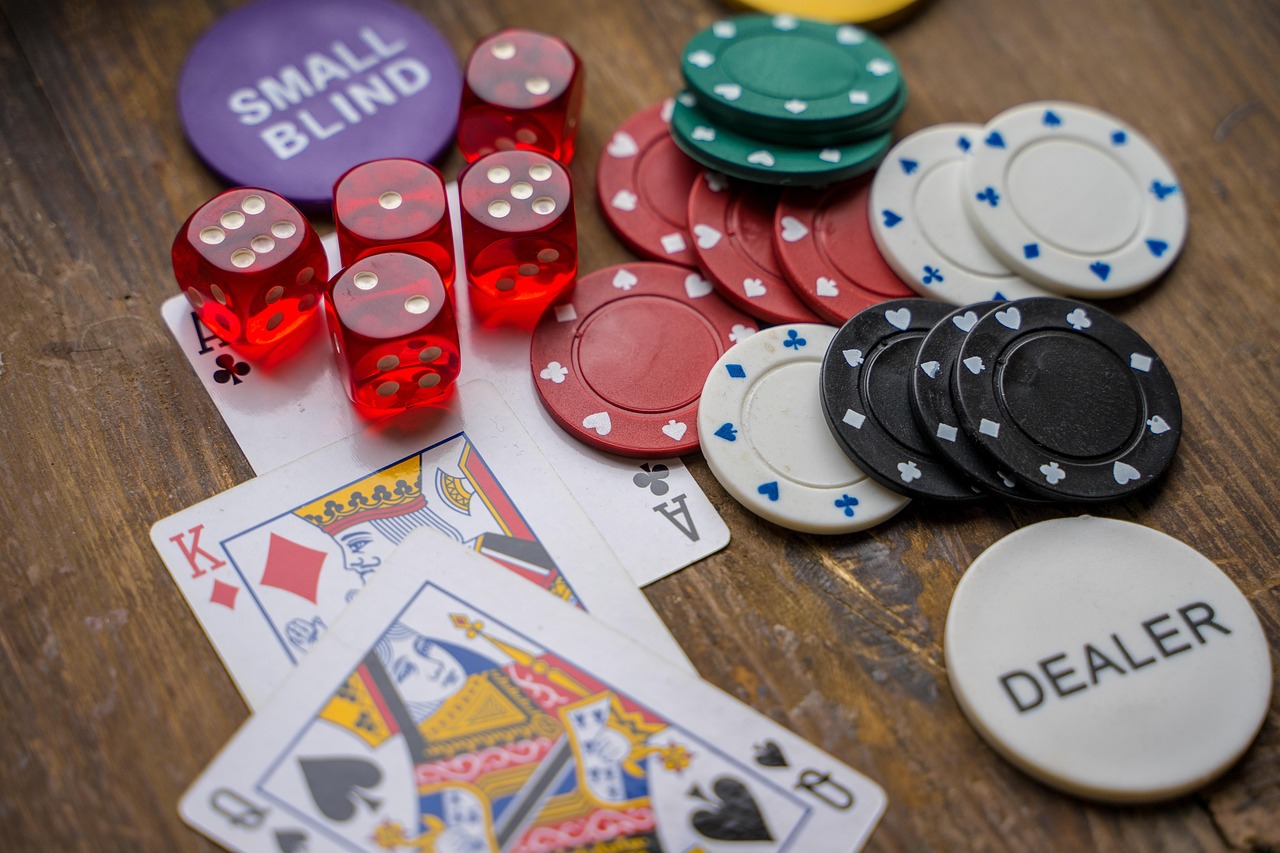
The first time you watch a roulette ball settle on your number, the brain does something predictable: it invents a pattern. Maybe it was the wrist flick of the dealer, maybe the table's "hot" energy. The truth is less cinematic. In 2024, the global iGaming market cleared roughly $100 billion in gross gaming revenue, and a sizable chunk of that came from people chasing phantom patterns. Understanding the machinery behind casino games, sportsbooks, slots, and poker is the only edge a recreational player can realistically own. So let's talk about it without the hype.
House edge is the tax you pay for entertainment, and it varies wildly between games. Blackjack with basic strategy sits around 0.5% if the rules are favorable (dealer stands on soft 17, double after split allowed). European roulette runs at 2.7% because it has a single zero, while the American wheel jumps to 5.26% with its extra double zero. Slot machines are the murkiest, because modern video slots typically carry edges between 2% and 10%, and the top prize is rarely the point.
Here's the useful way to think about it. If you sit at a $10 blackjack table playing basic strategy for two hours at 60 hands per hour, you're wagering $12,000. At a 0.5% edge, your expected loss is about $60. The same session on a typical video slot at 96% RTP with a $2 spin and 500 spins theoretical? You're wagering $1,000 and expected to lose $40—but with far higher variance, meaning real outcomes swing wildly around that number. The edge is smaller, the rollercoaster is bigger.
Nobody beats the math long-term. But you can absolutely control your exposure hours.
Slot players argue about RTP (return to player) the way football fans argue about quarterbacks. RTP matters, but volatility matters more for how a session actually feels. A low-volatility slot like Starburst returns small wins frequently and rarely empties a balance in ten minutes. High-volatility titles like Book of Dead or San Quentin can drain 200 spins without a single meaningful hit before delivering a 500x bonus. A good place to continue is สล็อต.
One underrated tip: check the game's maximum win cap. Some slots advertise 50,000x but cap wins at a fraction of that. It's in the paytable, and almost nobody reads it.
Anyone who's spent a season betting football or the Premier League knows that the spread and the moneyline are where the bookmaker hides. A standard -110/-110 line carries about a 4.5% total margin. In soccer, a three-way market might total 6-8%. That's the vig, and it's why a 55% win rate—which sounds elite—only nets you a modest profit over hundreds of bets.
In a 2023 study of closing line value, bettors who consistently beat the closing line by 2% or more over 500+ bets produced positive returns. Everyone else clustered slightly below break-even. The lesson isn't "bet more." It's be selective, track your closing-line value, and treat boosts and free bets as the genuine edge they are. A 30% profit boost on a +200 underdog is where recreational value actually lives.
Poker is the rare iGaming product where your edge isn't theoretical—it's transferable. The rake is the house's fee (typically 5% capped at $3 in cash games, or 10% in tournaments), and the best players still crush it because their income comes from opponents, not the house.
But online poker in 2025 is not the poker of 2005. Solvers and GTO (game theory optimal) tools have flattened the skill gap in high-stakes games, especially heads-up. The edge moved to:
Track your stats or you're gambling, not playing poker. Hand histories and HUDs exist for a reason.
Welcome bonuses are marketing, not free money, but they can be genuinely useful if you read the terms. Check three things above all else: wagering contribution by game, max bet per spin (often capped at $5 or less), and time window. A 100% match up to $500 with 35x wagering is bad on slots and unwinnable on most live dealer games. A first deposit match used purely to extend slot session time is fine. One note: always confirm the operator holds a license from a recognized regulator such as the UKGC, MGA, or a U.S. state board—these require independent payout audits. Unregulated crypto casinos offer faster withdrawals, true, but you have zero recourse if a $2,000 balance vanishes.
iGaming is a skill-shaped lottery for most people. The operators have the math, the liquidity, and a regulatory moat; your job is to be correct about what game you're actually playing. Approach slots as paid entertainment with an agreed budget, sports betting as a test of market knowledge against a thin closing line, and poker as the only pursuit capable of producing genuine long-term profit. If a promotion, a tip, or a system feels like a loophole, it's almost certainly factored into the edge. Play with money you can afford to lose, set a stop-loss before you click deposit, and the actual wins—like hitting a bonus round exactly when your bankroll needed it—will feel earned rather than miraculous. That's the only edge worth having.

Bowerfolio Written for people who value the details, and want honest guidance they can trust.

April 25, 2019 at 10:46 am
Take in the iconic skyline and visit the neighbourhood hangouts that you've only ever seen on TV. Take in the iconic skyline and visit the neighbourhood.


Want to be notified when we launch a new template or an udpate. Just sign up and we'll send you a notification by email.


Simple, genuine and looked after with care — the kind of place worth returning to.

Soldman Kell
April 25, 2019 at 10:46 am
Take in the iconic skyline and visit the neighbourhood hangouts that you've only ever seen on TV. Take in the iconic skyline and visit the neighbourhood.