
An Incredibly Easy Method That Works For All
10 Apr 2021
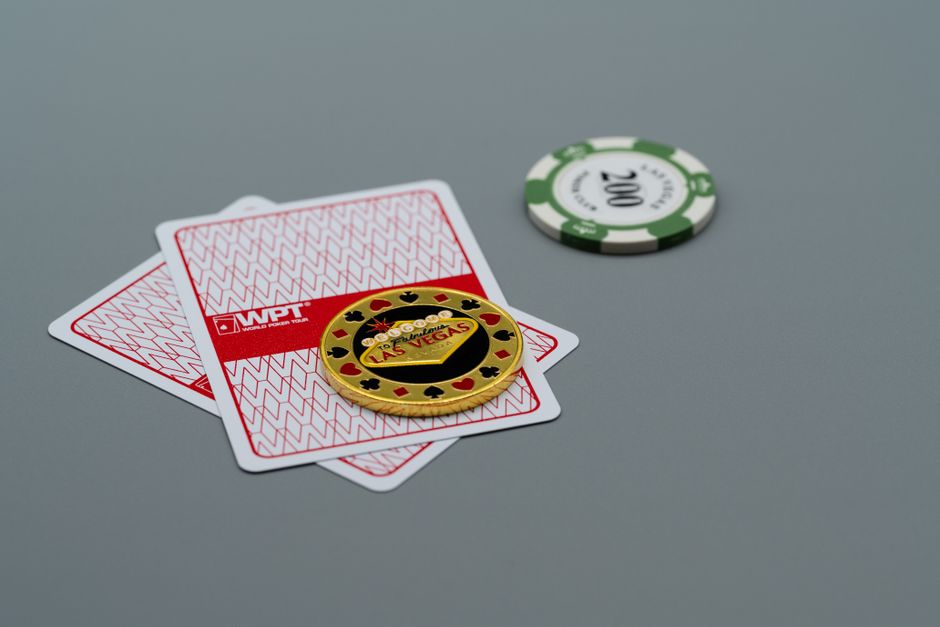
Most players never look past the flashing lights. They pick a slot because the theme looks fun, drop a bet on their favorite team because the odds "feel right," and sit down at a poker table without a clue how much the house is quietly taking from every pot. If you want to last longer than the average punter, you need to understand the numbers working against you. Not in a paranoid way, but in the same way a good blackjack player knows when the shoe is rich. Here's the unglamorous side of iGaming that actually decides whether you win or lose over time.
Every regulated slot has a published Return to Player figure. A 96% RTP game returns, on average, 96 cents of every dollar wagered over millions of spins. That remaining 4% is the house edge, and it's how the casino keeps the lights on. But here's the trap: RTP is calculated over an enormous sample size, not your session.
You can play a 96.5% RTP slot for an hour and lose 40% of your bankroll. You can also hit a 2,000x multiplier on your third spin. The RTP number tells you what happens to the collective money of every player who ever spins that reel, not what happens to yours. This is why the difference between a 94% and a 97% slot matters far more than people realize. On a $20,000 monthly wagering volume, that three-point gap is $600 in expected losses. Over a year, it's a car payment. Readers looking for specifics may like สล็อต.
A few things worth checking before you spin:
Sports betting feels more intellectual than slots because you're analyzing teams, injuries, and form. But the bookmaker's edge is baked into the odds as surely as a slot's reel strips. The standard margin on a two-way market (like tennis or an NBA moneyline) is around 4% to 5%. On a three-way soccer market, it slips to 2% to 4% on major leagues but can balloon to 8% or more on obscure lower-division fixtures.
Here's how it works in practice. A fair coin flip offers even money: +100 on both sides. A book posts -110 on each side. That 10-cent gap is the vig, or juice. Bet $110 to win $100, and you need to win 52.4% of your bets just to break even. Most recreational bettors hover around 48% to 50%. The math is brutal and unapologetic.
Where you can gain an edge is in line shopping. Opening a few accounts and comparing odds on the same event isn't disloyalty, it's basic arithmetic. A half-point difference on an NFL spread can swing your long-term ROI by several percentage points. Props and parlays carry even fatter margins, often 10% to 25%, which is why books push them so hard in their apps. The flashy same-game parlay with a 40x payout has a margin that would make a slot machine blush.
Poker is the only mainstream iGaming product where the house doesn't care if you win. The casino or platform takes a rake, a small cut of each pot, and then steps out of the way. That means your profit comes from other players, not from the operator. It's also why poker is the hardest game to be good at consistently.
Typical online rake structure looks like this:
The difference between a winning and losing poker player often comes down to table selection and rake awareness. Beating a 10% rake game at low stakes is twice as hard as beating a 5% rake game at the same blinds. If you're not tracking your win rate in big blinds per 100 hands, you're flying blind. Serious grinders aim for 5 to 10 bb/100 at low stakes online, which is roughly $2 to $4 per hour at $0.50/$1. That's not glamorous, but it's real money with a real edge.
Nobody wants to hear about bankroll management until they've busted three deposits in a weekend. Then it becomes the most interesting topic in the world. The principle is simple: your total gambling budget should be money you can afford to lose entirely, and your bet sizes should be a small fraction of that budget.
For sports betting, a common rule is 1% to 2% of your bankroll per bet. For poker cash games, you want at least 20 buy-ins for the stake you're playing (so $2,000 to play $1/$2). For tournaments, 50 to 100 buy-ins. For slots, treat your session bankroll as entertainment money and set a hard stop-loss before you start spinning. The moment you chase losses, the house edge stops being theoretical and starts eating your rent money.
Welcome bonuses and free spins look generous until you read the terms. A 100% deposit match up to $500 with a 40x wagering requirement means you need to bet $20,000 before you can withdraw a cent. Slots usually contribute 100% toward clearing, but table games and live dealer often count at 10% or less. That means that "free" $500 could require $200,000 in blackjack wagers.
None of this makes bonuses worthless. A matched deposit with a 30x requirement on a 96% RTP slot has an expected value that's marginally positive if you play it straight. But if you take the bonus, get lucky, and then try to cash out before clearing the playthrough, you'll forfeit everything. Read the fine print, calculate the true cost, and only take the deal if the math works for your style.
The iGaming industry is built on millions of small edges that compound in the house's favor. Slots grind you down through RTP and volatility. Sportsbooks clip you with the vig. Poker rooms take their rake whether you win or lose. That doesn't mean you can't have a great time or even turn a profit. It means the players who last are the ones who understand the math, pick their battles carefully, and never treat a lucky session as proof of skill. The house always has an edge. Your job is to make sure it's as thin as possible.

Bowerfolio Written for people who value the details, and want honest guidance they can trust.

April 25, 2019 at 10:46 am
Take in the iconic skyline and visit the neighbourhood hangouts that you've only ever seen on TV. Take in the iconic skyline and visit the neighbourhood.


Want to be notified when we launch a new template or an udpate. Just sign up and we'll send you a notification by email.


Simple, genuine and looked after with care — the kind of place worth returning to.

Soldman Kell
April 25, 2019 at 10:46 am
Take in the iconic skyline and visit the neighbourhood hangouts that you've only ever seen on TV. Take in the iconic skyline and visit the neighbourhood.